How Telemedicine Is Changing Patient Care
Telemedicine is transforming patient care by breaking down barriers to access. Patients in remote or underserved regions can now consult healthcare providers more conveniently. This shift fosters better communication and empowers individuals in their health decisions. Additionally, telemedicine often proves to be a more economical option for many. As technology progresses, the implications for healthcare delivery become increasingly profound, prompting questions about future developments and their potential impact on patient outcomes.
Increased Accessibility to Healthcare Services
As healthcare systems increasingly adopt telemedicine, the barriers that once restricted access to medical services are being significantly reduced.
Remote consultations enable patients in remote areas or with mobility issues to receive timely care.
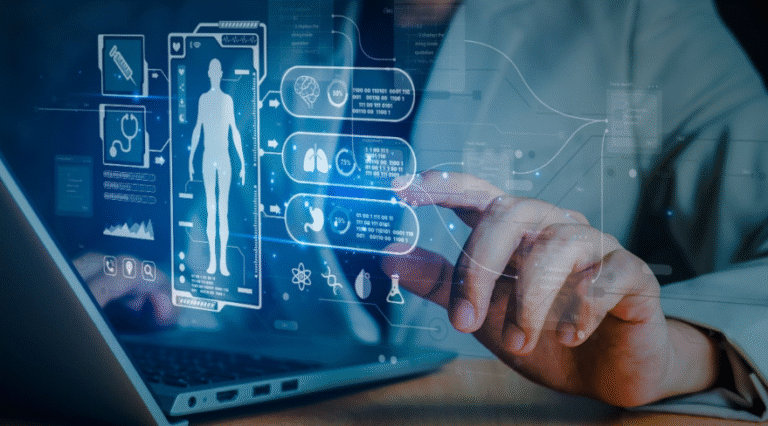
Digital health tools provide seamless connectivity between providers and patients, fostering a more inclusive healthcare landscape.
This shift empowers individuals, promoting autonomy and improving overall health outcomes in diverse populations.
See also: How Technology Supports Medical Research
Enhanced Patient-Provider Communication
Enhanced patient-provider communication is a cornerstone of effective healthcare delivery, particularly in the realm of telemedicine.
Virtual consultations facilitate real-time interactions, enhancing patient engagement and fostering a collaborative approach to health management.
Cost-Effective Solutions for Patients
Telemedicine presents numerous cost-effective solutions for patients, significantly reshaping the landscape of healthcare accessibility.
By facilitating remote consultations, it reduces travel expenses and time lost from work, allowing individuals to access affordable treatments from the comfort of their homes.
This innovative approach not only makes healthcare more accessible but also empowers patients to take control of their health without financial strain.
The Future of Telemedicine in Healthcare Delivery
While the integration of technology continues to evolve, the future of telemedicine in healthcare delivery looks promising, marked by advancements that enhance patient engagement and streamline care processes.
Virtual consultations will become increasingly prevalent, allowing patients greater access to healthcare professionals.
Additionally, remote monitoring technologies will empower individuals to take charge of their health, ultimately fostering a more personalized and efficient healthcare experience.
Conclusion
In conclusion, telemedicine gently ushers in a new era of healthcare, where barriers dissolve and connections flourish. By embracing this digital transformation, patients are afforded the luxury of accessibility and communication, all while enjoying the economic relief it brings. As we stand on the cusp of further advancements, the promise of personalized care shines brightly, heralding a future where health management is not just a service, but a collaborative journey towards well-being for all.