How the Internet of Things Is Transforming Industries
The Internet of Things (IoT) is reshaping industries by integrating smart technology into everyday operations. This transformation leads to enhanced efficiency and data-driven decision-making. In manufacturing, for instance, IoT facilitates agile production methods and predictive maintenance. Healthcare also sees a shift towards personalized care through remote monitoring. As companies adapt, the true implications of these innovations on supply chains and customer experiences begin to unfold, prompting a closer examination of their potential.
Revolutionizing Manufacturing Processes
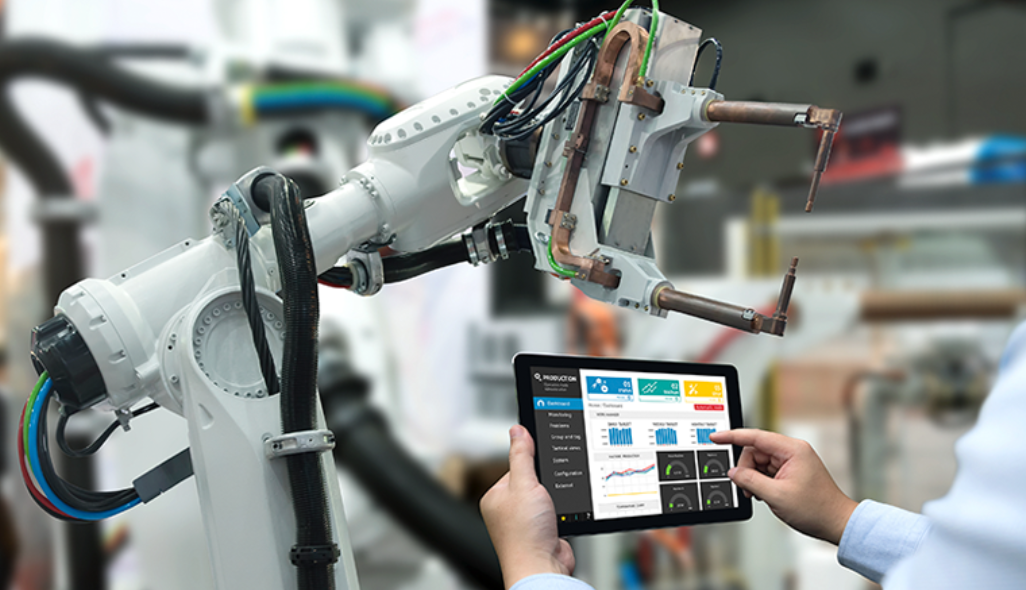
The Internet of Things (IoT) is fundamentally reshaping manufacturing processes by integrating smart devices and sensors that enhance operational efficiency.
Smart factories equipped with IoT technologies enable real-time data analysis, fostering agile production environments.
This evolution facilitates predictive maintenance, allowing companies to anticipate equipment failures and minimize downtime, ultimately promoting greater productivity and reducing operational costs, thus liberating manufacturers to focus on innovation.
See also: How Telemedicine Is Changing Patient Care
Enhancing Healthcare Delivery
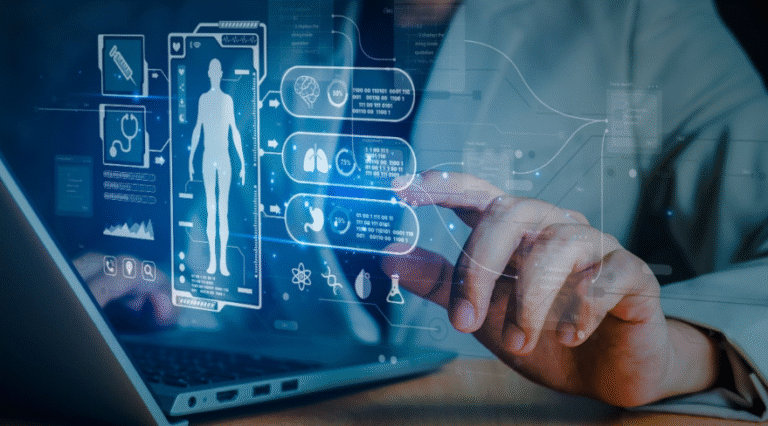
Significantly, the Internet of Things (IoT) is revolutionizing healthcare delivery by enabling more personalized and efficient patient care.
Through remote monitoring, healthcare providers can track patient vital signs in real-time, enhancing response times and outcomes.
Additionally, predictive analytics allows for proactive interventions, identifying potential health issues before they escalate.
This transformative approach empowers patients and providers alike, fostering autonomy in health management.
Improving Supply Chain Management
As advancements in technology continue to enhance various sectors, the impact of the Internet of Things (IoT) on supply chain management is becoming increasingly evident.
Automated tracking systems provide real-time visibility of goods, while predictive analytics enable companies to forecast demand and optimize inventory.
Together, these innovations empower businesses to operate more efficiently, reduce costs, and respond swiftly to market changes, fostering greater operational freedom.
Elevating Customer Experience
In today’s competitive landscape, elevating customer experience has become a paramount objective for businesses, and the Internet of Things (IoT) plays a crucial role in achieving this goal.
By leveraging IoT technologies, companies can offer personalized services tailored to individual preferences.
Moreover, smart feedback mechanisms enable real-time insights, allowing businesses to adapt and enhance their offerings, ultimately fostering deeper customer relationships and satisfaction.
Conclusion
In the grand tapestry of modern industry, the Internet of Things weaves a narrative of transformation akin to a digital Renaissance. By seamlessly integrating smart technologies across manufacturing, healthcare, supply chain, and customer experience, organizations are not merely adapting; they are evolving. This technological alchemy not only fosters efficiency and innovation but also empowers industries to anticipate challenges and seize opportunities, heralding a future where connectivity and intelligence reign supreme, much like the great minds of the past who reshaped their worlds.